
A Contractor’s Guide to Recycling Copper, Wire, & Electrical Scrap

Copper shows up on nearly every job site. It runs through walls, connects panels, and powers equipment. When a project wraps, there is almost always leftover material. That scrap has real value, and handling it the right way can add up over time. This guide breaks down how contractors can get the most from copper wire recycling and electrical scrap recycling without adding extra hassle to the workday.

Why Copper Scrap Is Worth Your Attention

Copper is one of the most valuable metals found in construction and demolition debris. Unlike many materials, it can be recycled again and again without losing quality. That makes it a steady commodity with consistent demand.

For contractors, saving leftover copper wire and electrical scrap is a simple way to make extra money. Instead of throwing these materials away, you can sell them. Even small amounts from several different jobs add up to a significant payout over time.

Separating your metal also helps keep your job site organized. When you pull copper and wire out of the trash, you have less clutter to deal with. This can even lower your costs for getting rid of standard construction debris.

Types of Copper and Wire You’ll See on Site

Not all copper scrap is treated the same. Knowing what you have makes a difference when it comes time to recycle.

  • Bare bright copper is the highest grade. This is clean, uncoated wire with no insulation or attachments. It brings the best price.
  • Insulated wire scrap is common on most projects. This includes everything from Romex to extension cords. The value depends on the thickness of the wire and how much copper is inside compared to insulation.
  • There is also #1 and #2 copper. #1 is clean and unalloyed, like pipes or wire without coatings. #2 includes copper with paint, solder, or slight contamination.

Electrical scrap recycling often includes more than just wire. Panels, breakers, transformers, and components can all contain recoverable metals.

Tips to Maximize Value from Copper Wire Recycling

A little organization goes a long way. Contractors who sort materials as they go tend to earn more for their scrap.The following tips will help you maximize the value from your copper wire recycling.

  • Keep copper separate from other metals. Mixing materials lowers the overall value and makes processing harder.
  • If possible, separate insulated wire scrap by type. Heavier gauge wire usually has a higher copper content and is worth more per pound.
  • Stripping insulation can increase value, but it is not always worth the labor. For smaller jobs, it often makes more sense to recycle insulated wire as is. For larger volumes, it may be worth considering.
  • Avoid contamination. Materials with excessive dirt, oil, or attachments may be downgraded.

Common Electrical Scrap That Gets Overlooked

Many contractors focus on wire and miss other recyclable items.

  • Electrical panels and breaker boxes often contain copper bus bars and other metals. Transformers and motors can also hold significant copper windings. Even small items like connectors and fittings add up over time.
  • Lighting fixtures and ballasts may contain recyclable components as well. While not all parts are valuable, separating metal from non-metal materials improves your return.

Paying attention to these items turns routine cleanup into an opportunity.

How to Set Up a Simple Recycling System

You do not need a complicated process to make electrical scrap recycling part of your workflow. Start with a few labeled containers or bins. One for bare copper, one for insulated wire scrap, and one for mixed electrical scrap is a good baseline. Train your crew to recognize the difference. A quick explanation at the start of a job can prevent everything from ending up in the same pile. Schedule regular drop-offs at a local recycler. This keeps materials moving and prevents buildup on site. Over time, this becomes second nature and adds very little effort to daily operations.

Environmental Benefits That Matter to Clients

Recycling copper and electrical scrap is not only about profit. It also supports sustainable construction practices. Recycling copper uses far less energy than producing new material from raw ore. It reduces the need for mining and lowers overall environmental impact.

Many clients care about waste reduction and responsible material handling. Being able to say you recycle copper wire and electrical scrap can strengthen your reputation and help with project requirements.

Make the Most of Your Scrap

Copper wire recycling is one of the simplest ways to recover value from a job site. With a bit of sorting and consistency, electrical scrap recycling becomes part of the routine instead of an extra task.

If you have questions about insulated wire scrap or want to understand what your materials are worth, reach out to the experts at Klein Recycling. A quick conversation can help you get more from the materials you already handle every day.
Commercial Cleanouts vs. Junk Removal: What’s the Difference?

Businesses often need help clearing out large amounts of materials. This may happen during renovations, relocations, equipment upgrades, or property cleanouts. When the time comes, many companies assume they need junk removal services. In reality, commercial cleanouts and junk removal are very different. Understanding the difference can help businesses choose the right service and recover value from recyclable materials.

Here is what sets these two services apart.

What Is Junk Removal?

Junk removal services are typically designed for general clutter and household waste. A crew arrives, loads unwanted items into a truck, and disposes of them.

Common items removed by junk haulers include:

  • Old furniture
  • Mattresses
  • Household trash
  • Yard debris
  • Broken appliances

The main goal of junk removal is simple disposal. Most items are taken to a landfill or transfer station. For businesses, this type of service can work for small cleanups. However, it is not always the best solution for larger commercial or industrial projects.

What Are Commercial Cleanout Services?

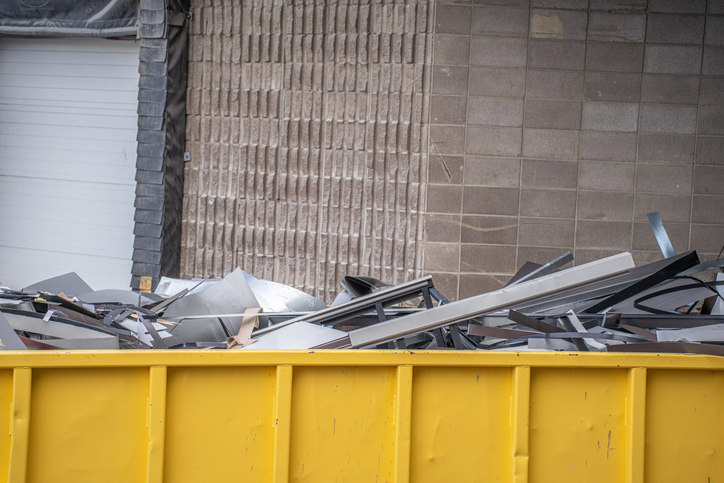
Commercial cleanouts are designed for larger and more complex projects. These services focus on clearing out materials from business facilities, construction sites, and industrial properties. Instead of simply hauling everything away, commercial cleanouts often involve sorting, recycling, and recovering valuable materials.

This may include removing items such as:

  • Scrap metal
  • Machinery and equipment
  • Construction materials
  • Electrical wiring and components
  • Structural metals

Companies like Klein Recycling specialize in large-scale recycling and material recovery as part of commercial and industrial projects. Klein Recycling provides recycling solutions for businesses, demolition contractors, and industrial facilities that need to remove and process metal materials safely and efficiently. 

Key Differences Between Commercial Cleanouts and Junk Removal

Although both services involve removing unwanted materials, their purpose and process are quite different.

Scope of the Project

Junk removal is usually meant for smaller jobs. It is common for homes or small offices. Commercial cleanouts handle larger and more complex environments. These may include warehouses, factories, office buildings, and construction sites.

Material Handling

Junk removal focuses on hauling items away. Recycling may happen in some cases, but it is not always the priority.

Commercial cleanout services often sort materials carefully. Valuable metals, wiring, and equipment can be recovered and recycled instead of being discarded.

Equipment and Logistics

Large-scale cleanouts require specialized equipment. Industrial recycling companies often use:

  • Roll-off containers
  • Trailers and trucks
  • Material sorting systems
  • Certified scales for weighing metal

These tools help manage large volumes of scrap and recyclable materials. 

Environmental Impact

Junk removal may send many materials to landfills.

Commercial recycling programs focus on diverting materials away from landfills whenever possible. Recovering metal and other recyclables reduces waste and supports sustainability efforts.

When Businesses Need Commercial Cleanouts

Commercial cleanout services are often needed in situations such as:

  • Industrial facility shutdowns
  • Office building renovations
  • Construction and demolition projects
  • Equipment upgrades or replacements
  • Warehouse cleanouts

During these projects, large amounts of metal and industrial materials may need to be removed. Recycling these materials can help businesses recover value while clearing space quickly.

Companies like Klein Recycling have decades of experience handling these types of projects. Founded in 1947, the company operates as a full-service metal recycling facility serving commercial and industrial customers across the tri-state region. 

Why Recycling Matters During Cleanouts

Many businesses do not realize how much value may be sitting in unused materials. Scrap metals such as copper, aluminum, and steel often retain significant value when recycled. A professional recycling company can help identify and process these materials properly. This approach can turn a costly cleanup into an opportunity to recover some value from unused equipment and scrap. It also helps businesses reduce their environmental footprint by keeping recyclable materials out of landfills.

Choosing the Right Service for Your Project

If your business only needs to remove a few unwanted items, junk removal may be enough. For larger projects involving construction materials, industrial equipment, or metal scrap, commercial cleanout services are usually the better option. These services provide the equipment, expertise, and recycling capabilities needed for complex projects.At Klein Recycling, we help businesses clear space efficiently while recycling valuable materials and supporting responsible waste management. For companies planning construction cleanouts, industrial cleanouts, or other large projects, working with an experienced recycling provider can make the process far more efficient.