Commercial Cleanouts vs. Junk Removal: What’s the Difference?

Businesses often need help clearing out large amounts of materials. This may happen during renovations, relocations, equipment upgrades, or property cleanouts. When the time comes, many companies assume they need junk removal services. In reality, commercial cleanouts and junk removal are very different. Understanding the difference can help businesses choose the right service and recover value from recyclable materials.

Here is what sets these two services apart.

What Is Junk Removal?

Junk removal services are typically designed for general clutter and household waste. A crew arrives, loads unwanted items into a truck, and disposes of them.

Common items removed by junk haulers include:

  • Old furniture
  • Mattresses
  • Household trash
  • Yard debris
  • Broken appliances

The main goal of junk removal is simple disposal. Most items are taken to a landfill or transfer station. For businesses, this type of service can work for small cleanups. However, it is not always the best solution for larger commercial or industrial projects.

What Are Commercial Cleanout Services?

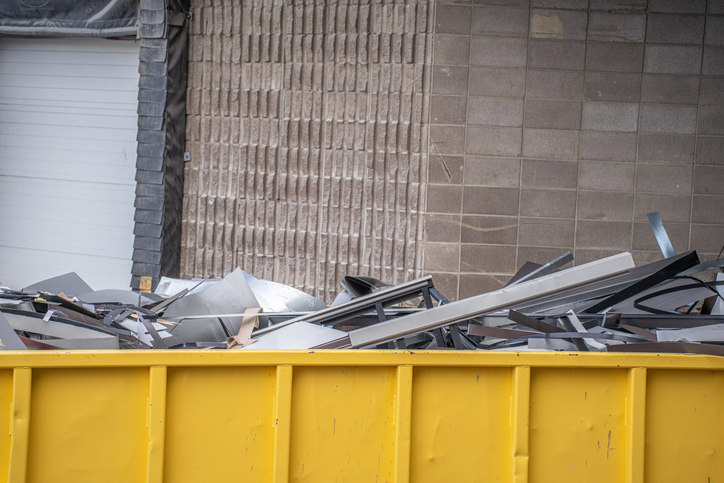
Commercial cleanouts are designed for larger and more complex projects. These services focus on clearing out materials from business facilities, construction sites, and industrial properties. Instead of simply hauling everything away, commercial cleanouts often involve sorting, recycling, and recovering valuable materials.

This may include removing items such as:

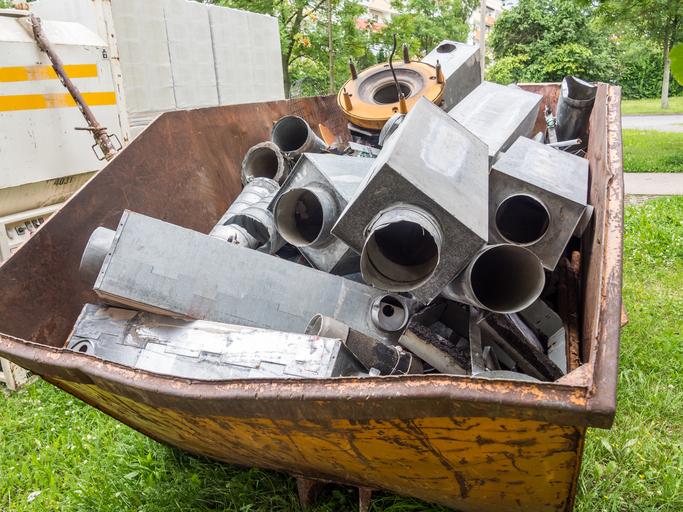
  • Scrap metal
  • Machinery and equipment
  • Construction materials
  • Electrical wiring and components
  • Structural metals

Companies like Klein Recycling specialize in large-scale recycling and material recovery as part of commercial and industrial projects. Klein Recycling provides recycling solutions for businesses, demolition contractors, and industrial facilities that need to remove and process metal materials safely and efficiently. 

Key Differences Between Commercial Cleanouts and Junk Removal

Although both services involve removing unwanted materials, their purpose and process are quite different.

Scope of the Project

Junk removal is usually meant for smaller jobs. It is common for homes or small offices. Commercial cleanouts handle larger and more complex environments. These may include warehouses, factories, office buildings, and construction sites.

Material Handling

Junk removal focuses on hauling items away. Recycling may happen in some cases, but it is not always the priority.

Commercial cleanout services often sort materials carefully. Valuable metals, wiring, and equipment can be recovered and recycled instead of being discarded.

Equipment and Logistics

Large-scale cleanouts require specialized equipment. Industrial recycling companies often use:

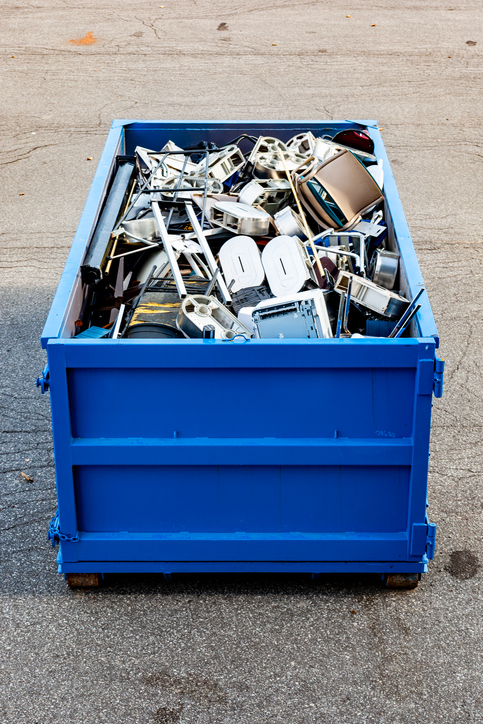
  • Roll-off containers
  • Trailers and trucks
  • Material sorting systems
  • Certified scales for weighing metal

These tools help manage large volumes of scrap and recyclable materials. 

Environmental Impact

Junk removal may send many materials to landfills.

Commercial recycling programs focus on diverting materials away from landfills whenever possible. Recovering metal and other recyclables reduces waste and supports sustainability efforts.

When Businesses Need Commercial Cleanouts

Commercial cleanout services are often needed in situations such as:

  • Industrial facility shutdowns
  • Office building renovations
  • Construction and demolition projects
  • Equipment upgrades or replacements
  • Warehouse cleanouts

During these projects, large amounts of metal and industrial materials may need to be removed. Recycling these materials can help businesses recover value while clearing space quickly.

Companies like Klein Recycling have decades of experience handling these types of projects. Founded in 1947, the company operates as a full-service metal recycling facility serving commercial and industrial customers across the tri-state region. 

Why Recycling Matters During Cleanouts

Many businesses do not realize how much value may be sitting in unused materials. Scrap metals such as copper, aluminum, and steel often retain significant value when recycled. A professional recycling company can help identify and process these materials properly. This approach can turn a costly cleanup into an opportunity to recover some value from unused equipment and scrap. It also helps businesses reduce their environmental footprint by keeping recyclable materials out of landfills.

Choosing the Right Service for Your Project

If your business only needs to remove a few unwanted items, junk removal may be enough. For larger projects involving construction materials, industrial equipment, or metal scrap, commercial cleanout services are usually the better option. These services provide the equipment, expertise, and recycling capabilities needed for complex projects.At Klein Recycling, we help businesses clear space efficiently while recycling valuable materials and supporting responsible waste management. For companies planning construction cleanouts, industrial cleanouts, or other large projects, working with an experienced recycling provider can make the process far more efficient.

Demolition Scrap Recycling: How Contractors Can Recover More Value

Why Demolition Scrap Recycling Matters for Contractors in New York and New Jersey

Demolition projects move fast. Tight schedules, heavy equipment, safety demands, and disposal logistics all compete for attention. In the middle of that pressure, scrap metal can easily be treated as an afterthought. Yet demolition scrap recycling is often one of the most overlooked profit opportunities on a job site.

For contractors working in New York and New Jersey, metal is not just debris. Steel beams, copper wiring, aluminum framing, stainless fixtures, and structural components all carry real market value. When handled correctly, that material can turn into recovered revenue instead of added disposal costs.

Klein Recycling works closely with contractors to make that process simple, efficient, and profitable.

Turning Construction Metal Recycling Into Revenue

Every demolition project produces metal. Commercial buildings, warehouses, medical facilities, schools, and retail spaces all contain valuable scrap. The key is separating and managing that material properly.

Construction metal recycling allows contractors to reduce landfill loads while improving their bottom line. Clean, sorted scrap commands stronger pricing. Organized pickups prevent delays. Accurate weights and transparent payouts help contractors track returns clearly.

Instead of paying to haul mixed debris to a landfill, contractors can redirect ferrous and non ferrous metals into the recycling stream. That shift often reduces overall disposal costs while generating direct scrap payments.

Over time, those returns add up, especially on large commercial projects.

What Materials Hold the Most Value?

Demolition contractors in NJ and New York often recover high value metals without realizing how much they are worth. Structural steel, copper pipe, insulated copper wire, aluminum storefront systems, brass fixtures, and stainless equipment can all produce meaningful returns.

Copper and aluminum tend to carry particularly strong market demand. Structural steel, while common, can still generate substantial volume based revenue on larger tear downs. Even smaller items such as conduit, metal framing studs, and HVAC components contribute to overall scrap value.

The difference between profit and lost opportunity usually comes down to organization. Clean separation and proper staging make pricing more favorable and processing faster.

How Demolition Contractors in NJ Can Maximize Scrap Value

Demolition contractors in NJ face strict regulations, limited space, and tight urban job sites. That makes planning essential. A clear scrap management strategy at the beginning of a project can significantly improve recovery rates.

Start by identifying high value metals during the pre demolition walkthrough. Plan staging areas for sorted materials. Coordinate container placement to avoid mixing scrap with general debris. Communicate expectations to crews so materials are handled correctly as structures come down.

Partnering with an experienced recycler also makes a measurable difference. Reliable container service, prompt pickups, and accurate grading all protect contractor margins. When timelines are tight, responsiveness matters just as much as pricing.

Supporting Large Commercial Demolition Projects

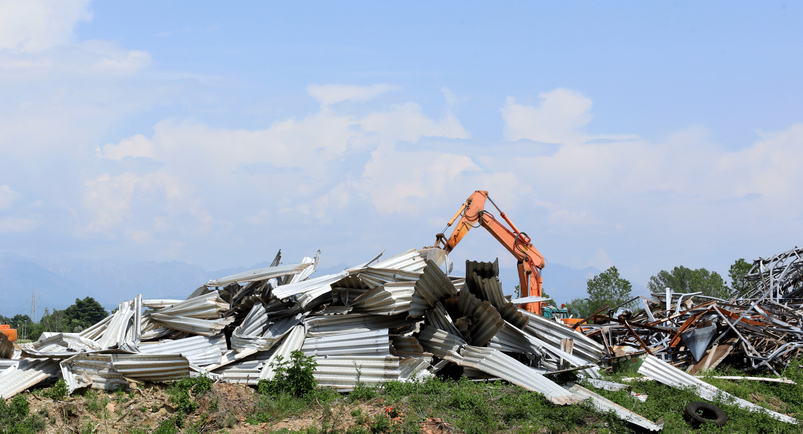
Commercial demolition produces large volumes of recyclable metal. Office towers, industrial plants, and multi unit complexes contain structural frameworks and mechanical systems that represent significant scrap potential.

Klein Recycling supports large scale projects with container services, coordinated pickups, and efficient processing that keeps job sites moving. The goal is simple. Reduce delays, streamline logistics, and help contractors recover maximum value from every load.

When demolition scrap recycling is treated as a planned part of the project instead of an afterthought, the financial impact becomes clear.

The Long Term Benefits of Construction Metal Recycling

Beyond immediate payouts, construction metal recycling strengthens a contractor’s competitive position. Many developers and property owners now prioritize sustainability reporting and waste diversion metrics. Demonstrating responsible recycling practices can support bids and strengthen relationships.

Recycling metal also reduces landfill use and supports domestic manufacturing supply chains. That environmental responsibility carries weight in today’s market, especially in the Northeast where regulations and client expectations continue to evolve.

For contractors who want to protect margins and build stronger client partnerships, scrap recovery should be part of the overall strategy.

Work With a Trusted Metal Recycling Partner in New York

Klein Recycling helps contractors across New York and New Jersey turn demolition scrap into measurable returns. With transparent pricing, responsive service, and decades of experience in metal recycling, Klein Recycling understands the pace and demands of commercial demolition work.

Demolition scrap recycling is not just about clearing a site. It is about recognizing value, planning ahead, and choosing the right partner to help maximize results.

For demolition contractors in NJ and New York, the opportunity is already on the job site. The key is knowing how to capture it.