How Recycling Scrap Metal Reduces Construction & Renovation Costs

Construction and renovation projects are full of moving parts. Material prices shift. Labor costs add up fast. Dumpster fees can surprise you at the end of a job. For general contractors and developers, every line item matters. That is one reason construction scrap recycling deserves more attention. Scrap metal is often treated like jobsite waste, but it can lower hauling costs, reduce disposal fees, and even return some money to the project. On large commercial jobs, those savings can be meaningful.

Scrap Metal Adds Cost When It Is Handled Like Trash

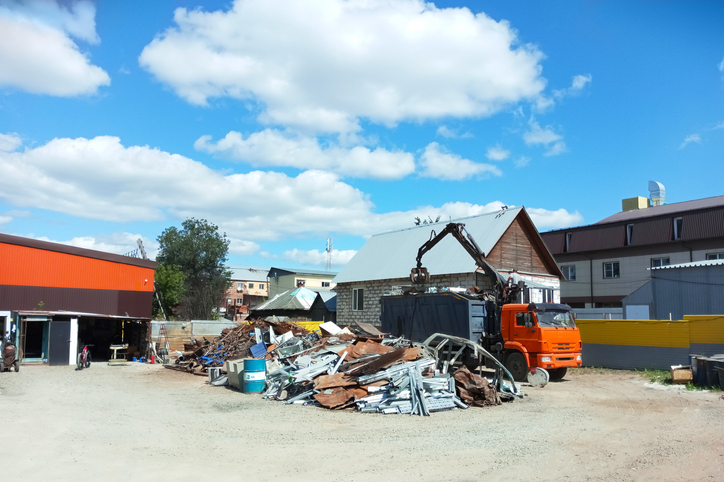
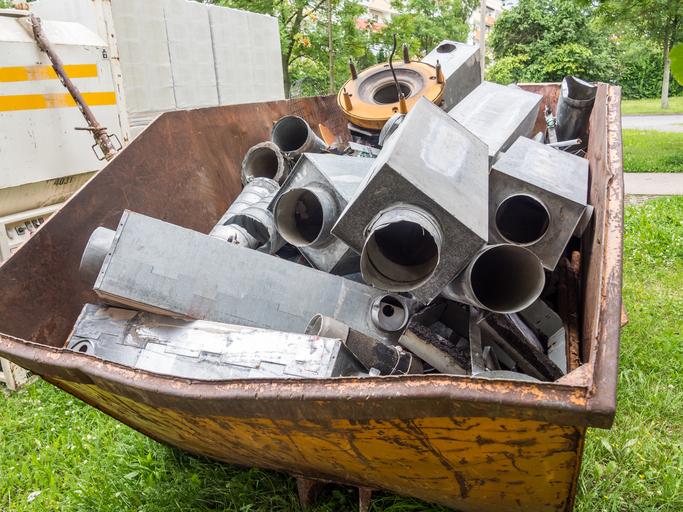
During demolition, tenant improvements, and new construction, metal shows up in a lot of places. Steel studs, copper wire, aluminum framing, piping, ductwork, rebar, and old mechanical equipment all have value. If those materials get mixed into general debris, the project usually pays more to remove them. Mixed loads are heavier. Heavier loads can mean higher transport and landfill charges. Crews may also spend more time sorting waste late in the job, which is not a great use of labor.

When contractors separate scrap metal early, they create a cleaner waste stream. That makes site cleanup more efficient and helps reduce demolition costs at the same time.

Construction Scrap Recycling Can Cut Disposal Fees

One of the clearest benefits of construction scrap recycling is fewer materials going into dumpsters meant for general waste. Metal is dense, so even a modest amount can push up disposal costs. Pulling it out changes the math.

This matters on:

  • Interior demolition projects
  • Building renovations
  • Warehouse tear-outs
  • Retail remodels
  • Industrial cleanouts
  • Ground-up construction with metal offcuts

Instead of paying to dump valuable metal, contractors can send it to a recycler. In many cases, that means a lower overall waste bill and a more organized jobsite.

Recycled Scrap Can Create Return Value

Not all project savings come from avoiding fees. Some metals have resale value, especially copper, aluminum, brass, stainless steel, and structural steel. The exact return depends on market conditions, material type, contamination, and volume, but the principle is simple. If metal is clean and sorted, it is worth more.

That is why many scrap metal contractors recommend a plan before demolition starts. Waiting until the end often leads to mixed material, lost value, and extra labor.

A simple recycling plan can include:

  • Identifying what metal will be generated
  • Setting separate containers for metal
  • Training crews on what goes where
  • Scheduling pickups to avoid pileups
  • Tracking weights and rebates

These steps are not complicated, but they can protect margin on projects where costs are already tight.

Better Site Flow Also Saves Money

There is another angle that does not always make it into the first conversation. Cleaner recycling practices can help jobs run smoother day to day.

Loose scrap metal creates clutter. Clutter slows crews down and can create safety issues. When metal is collected and removed in a structured way, sites are easier to manage. That can mean fewer interruptions and a better workflow for everyone on site. For GCs managing multiple trades, that kind of order matters. It helps keep the project moving and reduces the chance of avoidable cleanup delays.

Scrap Metal Contractors Help Streamline The Process

Working with experienced scrap metal contractors can make recycling easier for project teams. A good partner understands how construction sites operate. They know the difference between recyclable metal and material that needs special handling. They can also help contractors decide when on-site containers, scheduled pickups, or direct hauling make the most sense.

That support is useful for developers too. On larger projects, recycling records may help with internal reporting, sustainability goals, or bid requirements. Cost control is still the main driver for many teams, but better documentation is a real plus.

Why This Matters For Contractors And Developers

If your project includes demolition, renovation, or structural work, scrap metal should not be an afterthought. It is one of the few waste streams that can actively help the budget instead of hurting it. Using construction scrap recycling strategies can help reduce demolition costs, lower disposal expenses, and improve jobsite efficiency. For teams focused on keeping projects on budget, that is worth planning for early.

If you are reviewing an upcoming project, it may be helpful to look at the metal waste stream before the first dumpster arrives. Klein Recycling can help you evaluate your site and create a plan to uncover savings that are easy to miss during pre-construction.
How Scrap Metal Prices Are Determined: A Guide for Sellers 

Choosing the right scrap metal recycling company in New Jersey can make a significant difference in how much you earn from your materials. A reliable, locally-trusted company like Klein Recycling offers transparent pricing, accurate weighing, and fair evaluations based on current Scrap Metal Prices. Sellers benefit from working with professionals who understand market trends and provide competitive rates for all types of scrap. 

Understanding Supply, Demand, and Global Trends 

Scrap metal pricing is largely driven by supply and demand. When industries such as construction and manufacturing require more raw materials, prices tend to rise. Global market trends also influence pricing, as metals are traded worldwide. Economic shifts, 

import-export regulations, and fuel costs all contribute to fluctuations in Scrap Metal Prices. 

Price Differences Between Metal Types 

Different types of metals are valued differently. For instance, Aluminum Scrap Price is typically lower than Copper Scrap Prices because aluminum is more abundant. Copper, known for its high conductivity, is in strong demand and often commands higher rates. Scrap Steel Prices and Scrap Stainless Steel Prices depend on composition and usage in heavy industries. At the same time, Scrap Iron Prices are usually more stable but can still vary with construction activity. 

Why Metal Grade and Quality Matter 

The grade and quality of scrap metal play an important role in determining value. Clean, sorted materials without contamination fetch higher prices. Separating metals by type

and removing attachments like plastic or rubber can significantly improve value. Higher-grade metals are easier to process and therefore more desirable to buyers. 

How Location Affects Scrap Prices 

Location is another important factor. Prices can vary between regions based on transportation costs, local demand, and competition among scrap yards. Sellers in industrial areas often receive better offers due to higher demand and easier access to processing facilities. 

Tips to Get the Best Scrap Metal Prices 

To get the best returns, it’s important to stay informed and strategic. Monitor market trends, compare rates from different scrap yards, and build relationships with reputable buyers. Timing is also key; selling when demand is high can yield higher payouts. Understanding these factors helps sellers maximize profits when recycling scrap metal.

A Contractor’s Guide to Recycling Copper, Wire, & Electrical Scrap

Copper shows up on nearly every job site. It runs through walls, connects panels, and powers equipment. When a project wraps, there is almost always leftover material. That scrap has real value, and handling it the right way can add up over time. This guide breaks down how contractors can get the most from copper wire recycling and electrical scrap recycling without adding extra hassle to the workday.

Why Copper Scrap Is Worth Your Attention

Copper is one of the most valuable metals found in construction and demolition debris. Unlike many materials, it can be recycled again and again without losing quality. That makes it a steady commodity with consistent demand.

For contractors, saving leftover copper wire and electrical scrap is a simple way to make extra money. Instead of throwing these materials away, you can sell them. Even small amounts from several different jobs add up to a significant payout over time.

Separating your metal also helps keep your job site organized. When you pull copper and wire out of the trash, you have less clutter to deal with. This can even lower your costs for getting rid of standard construction debris.

Types of Copper and Wire You’ll See on Site

Not all copper scrap is treated the same. Knowing what you have makes a difference when it comes time to recycle.

  • Bare bright copper is the highest grade. This is clean, uncoated wire with no insulation or attachments. It brings the best price.
  • Insulated wire scrap is common on most projects. This includes everything from Romex to extension cords. The value depends on the thickness of the wire and how much copper is inside compared to insulation.
  • There is also #1 and #2 copper. #1 is clean and unalloyed, like pipes or wire without coatings. #2 includes copper with paint, solder, or slight contamination.

Electrical scrap recycling often includes more than just wire. Panels, breakers, transformers, and components can all contain recoverable metals.

Tips to Maximize Value from Copper Wire Recycling

A little organization goes a long way. Contractors who sort materials as they go tend to earn more for their scrap.The following tips will help you maximize the value from your copper wire recycling.

  • Keep copper separate from other metals. Mixing materials lowers the overall value and makes processing harder.
  • If possible, separate insulated wire scrap by type. Heavier gauge wire usually has a higher copper content and is worth more per pound.
  • Stripping insulation can increase value, but it is not always worth the labor. For smaller jobs, it often makes more sense to recycle insulated wire as is. For larger volumes, it may be worth considering.
  • Avoid contamination. Materials with excessive dirt, oil, or attachments may be downgraded.

Common Electrical Scrap That Gets Overlooked

Many contractors focus on wire and miss other recyclable items.

  • Electrical panels and breaker boxes often contain copper bus bars and other metals. Transformers and motors can also hold significant copper windings. Even small items like connectors and fittings add up over time.
  • Lighting fixtures and ballasts may contain recyclable components as well. While not all parts are valuable, separating metal from non-metal materials improves your return.

Paying attention to these items turns routine cleanup into an opportunity.

How to Set Up a Simple Recycling System

You do not need a complicated process to make electrical scrap recycling part of your workflow. Start with a few labeled containers or bins. One for bare copper, one for insulated wire scrap, and one for mixed electrical scrap is a good baseline. Train your crew to recognize the difference. A quick explanation at the start of a job can prevent everything from ending up in the same pile. Schedule regular drop-offs at a local recycler. This keeps materials moving and prevents buildup on site. Over time, this becomes second nature and adds very little effort to daily operations.

Environmental Benefits That Matter to Clients

Recycling copper and electrical scrap is not only about profit. It also supports sustainable construction practices. Recycling copper uses far less energy than producing new material from raw ore. It reduces the need for mining and lowers overall environmental impact.

Many clients care about waste reduction and responsible material handling. Being able to say you recycle copper wire and electrical scrap can strengthen your reputation and help with project requirements.

Make the Most of Your Scrap

Copper wire recycling is one of the simplest ways to recover value from a job site. With a bit of sorting and consistency, electrical scrap recycling becomes part of the routine instead of an extra task.

If you have questions about insulated wire scrap or want to understand what your materials are worth, reach out to the experts at Klein Recycling. A quick conversation can help you get more from the materials you already handle every day.