How Recycling Scrap Metal Reduces Construction & Renovation Costs

Construction and renovation projects are full of moving parts. Material prices shift. Labor costs add up fast. Dumpster fees can surprise you at the end of a job. For general contractors and developers, every line item matters. That is one reason construction scrap recycling deserves more attention. Scrap metal is often treated like jobsite waste, but it can lower hauling costs, reduce disposal fees, and even return some money to the project. On large commercial jobs, those savings can be meaningful.

Scrap Metal Adds Cost When It Is Handled Like Trash

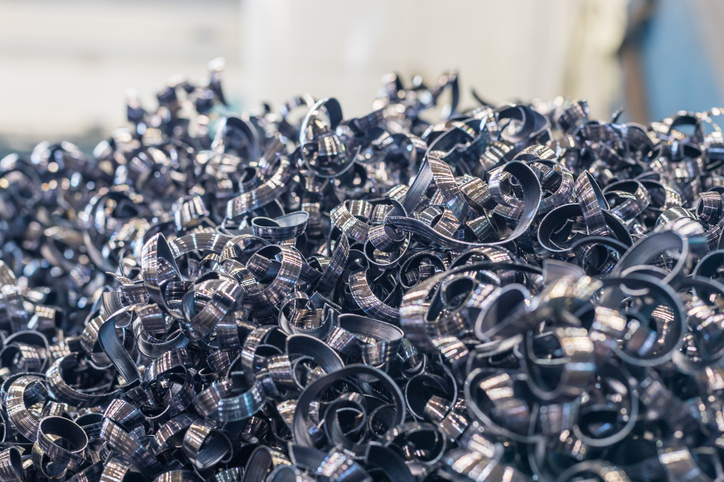
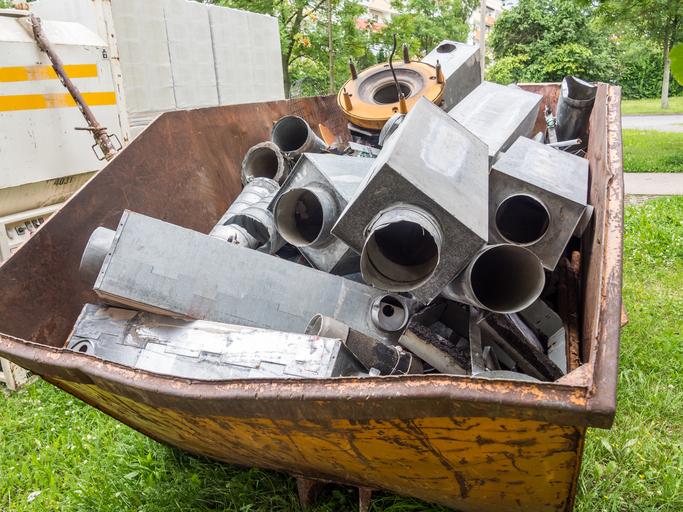
During demolition, tenant improvements, and new construction, metal shows up in a lot of places. Steel studs, copper wire, aluminum framing, piping, ductwork, rebar, and old mechanical equipment all have value. If those materials get mixed into general debris, the project usually pays more to remove them. Mixed loads are heavier. Heavier loads can mean higher transport and landfill charges. Crews may also spend more time sorting waste late in the job, which is not a great use of labor.

When contractors separate scrap metal early, they create a cleaner waste stream. That makes site cleanup more efficient and helps reduce demolition costs at the same time.

Construction Scrap Recycling Can Cut Disposal Fees

One of the clearest benefits of construction scrap recycling is fewer materials going into dumpsters meant for general waste. Metal is dense, so even a modest amount can push up disposal costs. Pulling it out changes the math.

This matters on:

  • Interior demolition projects
  • Building renovations
  • Warehouse tear-outs
  • Retail remodels
  • Industrial cleanouts
  • Ground-up construction with metal offcuts

Instead of paying to dump valuable metal, contractors can send it to a recycler. In many cases, that means a lower overall waste bill and a more organized jobsite.

Recycled Scrap Can Create Return Value

Not all project savings come from avoiding fees. Some metals have resale value, especially copper, aluminum, brass, stainless steel, and structural steel. The exact return depends on market conditions, material type, contamination, and volume, but the principle is simple. If metal is clean and sorted, it is worth more.

That is why many scrap metal contractors recommend a plan before demolition starts. Waiting until the end often leads to mixed material, lost value, and extra labor.

A simple recycling plan can include:

  • Identifying what metal will be generated
  • Setting separate containers for metal
  • Training crews on what goes where
  • Scheduling pickups to avoid pileups
  • Tracking weights and rebates

These steps are not complicated, but they can protect margin on projects where costs are already tight.

Better Site Flow Also Saves Money

There is another angle that does not always make it into the first conversation. Cleaner recycling practices can help jobs run smoother day to day.

Loose scrap metal creates clutter. Clutter slows crews down and can create safety issues. When metal is collected and removed in a structured way, sites are easier to manage. That can mean fewer interruptions and a better workflow for everyone on site. For GCs managing multiple trades, that kind of order matters. It helps keep the project moving and reduces the chance of avoidable cleanup delays.

Scrap Metal Contractors Help Streamline The Process

Working with experienced scrap metal contractors can make recycling easier for project teams. A good partner understands how construction sites operate. They know the difference between recyclable metal and material that needs special handling. They can also help contractors decide when on-site containers, scheduled pickups, or direct hauling make the most sense.

That support is useful for developers too. On larger projects, recycling records may help with internal reporting, sustainability goals, or bid requirements. Cost control is still the main driver for many teams, but better documentation is a real plus.

Why This Matters For Contractors And Developers

If your project includes demolition, renovation, or structural work, scrap metal should not be an afterthought. It is one of the few waste streams that can actively help the budget instead of hurting it. Using construction scrap recycling strategies can help reduce demolition costs, lower disposal expenses, and improve jobsite efficiency. For teams focused on keeping projects on budget, that is worth planning for early.

If you are reviewing an upcoming project, it may be helpful to look at the metal waste stream before the first dumpster arrives. Klein Recycling can help you evaluate your site and create a plan to uncover savings that are easy to miss during pre-construction.
How Scrap Metal Prices Are Determined: A Guide for Sellers 

Choosing the right scrap metal recycling company in New Jersey can make a significant difference in how much you earn from your materials. A reliable, locally-trusted company like Klein Recycling offers transparent pricing, accurate weighing, and fair evaluations based on current Scrap Metal Prices. Sellers benefit from working with professionals who understand market trends and provide competitive rates for all types of scrap. 

Understanding Supply, Demand, and Global Trends 

Scrap metal pricing is largely driven by supply and demand. When industries such as construction and manufacturing require more raw materials, prices tend to rise. Global market trends also influence pricing, as metals are traded worldwide. Economic shifts, 

import-export regulations, and fuel costs all contribute to fluctuations in Scrap Metal Prices. 

Price Differences Between Metal Types 

Different types of metals are valued differently. For instance, Aluminum Scrap Price is typically lower than Copper Scrap Prices because aluminum is more abundant. Copper, known for its high conductivity, is in strong demand and often commands higher rates. Scrap Steel Prices and Scrap Stainless Steel Prices depend on composition and usage in heavy industries. At the same time, Scrap Iron Prices are usually more stable but can still vary with construction activity. 

Why Metal Grade and Quality Matter 

The grade and quality of scrap metal play an important role in determining value. Clean, sorted materials without contamination fetch higher prices. Separating metals by type

and removing attachments like plastic or rubber can significantly improve value. Higher-grade metals are easier to process and therefore more desirable to buyers. 

How Location Affects Scrap Prices 

Location is another important factor. Prices can vary between regions based on transportation costs, local demand, and competition among scrap yards. Sellers in industrial areas often receive better offers due to higher demand and easier access to processing facilities. 

Tips to Get the Best Scrap Metal Prices 

To get the best returns, it’s important to stay informed and strategic. Monitor market trends, compare rates from different scrap yards, and build relationships with reputable buyers. Timing is also key; selling when demand is high can yield higher payouts. Understanding these factors helps sellers maximize profits when recycling scrap metal.

The Benefits of Professional Scrap Metal Removal 

Services for Homes and Businesses 

Handling unwanted metal can quickly become time-consuming, physically demanding, and difficult to manage without the right support. Klein Recycling offers efficient, reliable Scrap Metal Removal Service for both residential and commercial needs in New Jersey. From collection to proper disposal, working with experts ensures a hassle-free experience while maximizing the value of recyclable materials. 

What Scrap Metal Removal Services Include 

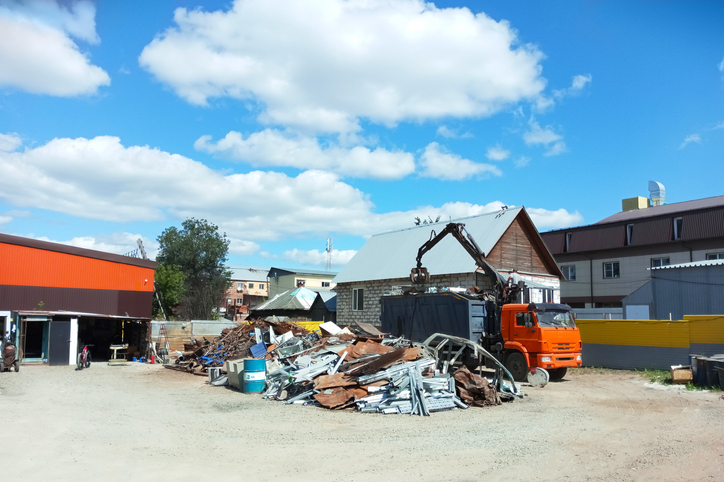
A Scrap Metal Removal Service typically covers pickup, sorting, loading, and transportation of scrap materials. Many providers also assess the type and value of metals, ensuring proper Waste Metal Recycling practices. This full-service approach eliminates the need for manual handling and multiple trips to recycling facilities. 

Save Time and Increase Convenience 

Hiring professionals saves valuable time and effort. Instead of managing heavy materials yourself, experts handle everything from start to finish. This is especially beneficial for businesses dealing with large volumes of scrap, as it streamlines operations and improves efficiency. 

Safety Comes First 

Handling scrap metal can be risky due to sharp edges, rust, and heavy weight. Professional teams are trained to manage these hazards safely using the right equipment and techniques. This reduces the risk of injuries and ensures a secure removal process for homes and job sites.

Environmental Benefits of Proper Disposal 

Choosing a reliable Metal Recycling Solution helps reduce landfill waste and conserves natural resources. Proper Waste Metal Recycling minimizes environmental impact by reprocessing materials for reuse. This supports sustainability and reduces the need for mining new raw materials. 

Cost-Effective for Businesses 

For businesses, professional services can lead to cost savings. Efficient removal reduces labor costs and downtime, while recycling scrap can generate additional revenue. A structured Metal Recycling Solution ensures materials are handled in the most economical way possible. 

Types of Metals Commonly Removed 

Scrap removal services handle a wide range of materials, including aluminum, copper, steel, iron, and stainless steel. Whether it’s old appliances, construction debris, or industrial waste, professionals can manage it all effectively. 

Choosing the Right Service Provider 

When selecting a Scrap Metal Removal Service, look for experience, proper licensing, transparent pricing, and positive customer reviews. A trusted provider like Klein Recycling ensures safe handling, fair value, and environmentally responsible practices for all your scrap metal needs.

Choosing the Right Scrap Metal Buyer: What to Look For 

Finding the right Scrap Metal Buyer in New Jersey is essential to getting fair value and a smooth selling experience. Working with a trusted company like Klein Recycling ensures accurate evaluations, honest pricing, and dependable service. Whether you’re a homeowner or contractor, choosing the right partner can save time, reduce hassle, and maximize your return. 

Why Reliability Matters 

Not all Metal Buyers operate with the same level of professionalism. A reliable buyer will follow industry standards, provide clear communication, and maintain ethical practices. This reduces the risk of underpayment or misleading transactions, giving you confidence throughout the process. 

Check Licensing and Look for Transparent Pricing and Weighing 

Before choosing a Metal Dealer, verify that they are properly licensed and certified. Legitimate businesses comply with local regulations and environmental standards. This not only protects you legally but also ensures that your scrap is handled responsibly. 

Look for Transparent Pricing and Weighing 

Transparency is key when working with Local Scrap Metal Buyers. A trustworthy buyer will explain how pricing is determined and allow you to see the weighing process. Digital scales, clear rate charts, and open communication are all signs of a reputable operation.

Evaluate Reputation and Reviews 

Customer feedback can tell you a lot about a Scrap Metal Buyer. Look for consistent positive reviews, testimonials, and recommendations. A strong reputation often reflects fair pricing, good customer service, and reliable transactions. 

Local vs. Large-Scale Buyers 

Choosing between local and large-scale Metal Buyers depends on your needs. Local Scrap Metal Buyers often provide personalized service, quicker transactions, and a better understanding of regional pricing. Larger buyers may handle higher volumes but can sometimes lack the personal touch. 

Services that Add Value 

Many Metal Dealer businesses offer additional services such as scrap pickup, sorting assistance, and on-site evaluations. These services can save you time and effort, especially if you’re dealing with large quantities of material. If you are looking for a trusted Scrap Metal Buyer in New Jersey, reach out to Klein Recycling.