Choosing the Right Scrap Metal Buyer: What to Look For 

Finding the right Scrap Metal Buyer in New Jersey is essential to getting fair value and a smooth selling experience. Working with a trusted company like Klein Recycling ensures accurate evaluations, honest pricing, and dependable service. Whether you’re a homeowner or contractor, choosing the right partner can save time, reduce hassle, and maximize your return. 

Why Reliability Matters 

Not all Metal Buyers operate with the same level of professionalism. A reliable buyer will follow industry standards, provide clear communication, and maintain ethical practices. This reduces the risk of underpayment or misleading transactions, giving you confidence throughout the process. 

Check Licensing and Look for Transparent Pricing and Weighing 

Before choosing a Metal Dealer, verify that they are properly licensed and certified. Legitimate businesses comply with local regulations and environmental standards. This not only protects you legally but also ensures that your scrap is handled responsibly. 

Look for Transparent Pricing and Weighing 

Transparency is key when working with Local Scrap Metal Buyers. A trustworthy buyer will explain how pricing is determined and allow you to see the weighing process. Digital scales, clear rate charts, and open communication are all signs of a reputable operation.

Evaluate Reputation and Reviews 

Customer feedback can tell you a lot about a Scrap Metal Buyer. Look for consistent positive reviews, testimonials, and recommendations. A strong reputation often reflects fair pricing, good customer service, and reliable transactions. 

Local vs. Large-Scale Buyers 

Choosing between local and large-scale Metal Buyers depends on your needs. Local Scrap Metal Buyers often provide personalized service, quicker transactions, and a better understanding of regional pricing. Larger buyers may handle higher volumes but can sometimes lack the personal touch. 

Services that Add Value 

Many Metal Dealer businesses offer additional services such as scrap pickup, sorting assistance, and on-site evaluations. These services can save you time and effort, especially if you’re dealing with large quantities of material. If you are looking for a trusted Scrap Metal Buyer in New Jersey, reach out to Klein Recycling.

A Contractor’s Guide to Recycling Copper, Wire, & Electrical Scrap

Copper shows up on nearly every job site. It runs through walls, connects panels, and powers equipment. When a project wraps, there is almost always leftover material. That scrap has real value, and handling it the right way can add up over time. This guide breaks down how contractors can get the most from copper wire recycling and electrical scrap recycling without adding extra hassle to the workday.

Why Copper Scrap Is Worth Your Attention

Copper is one of the most valuable metals found in construction and demolition debris. Unlike many materials, it can be recycled again and again without losing quality. That makes it a steady commodity with consistent demand.

For contractors, saving leftover copper wire and electrical scrap is a simple way to make extra money. Instead of throwing these materials away, you can sell them. Even small amounts from several different jobs add up to a significant payout over time.

Separating your metal also helps keep your job site organized. When you pull copper and wire out of the trash, you have less clutter to deal with. This can even lower your costs for getting rid of standard construction debris.

Types of Copper and Wire You’ll See on Site

Not all copper scrap is treated the same. Knowing what you have makes a difference when it comes time to recycle.

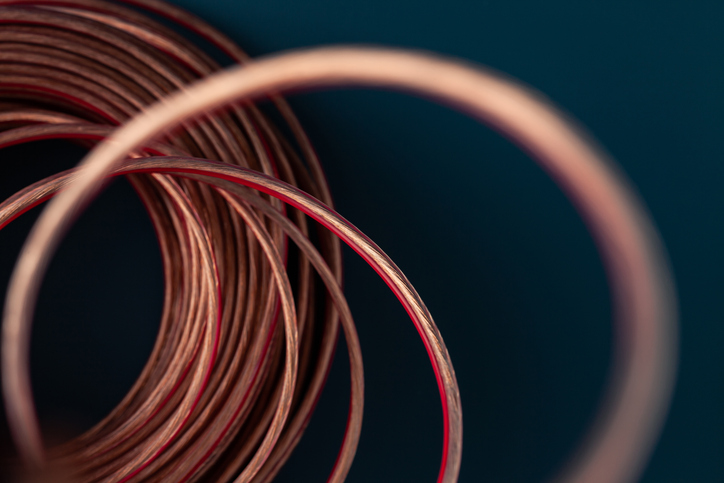
  • Bare bright copper is the highest grade. This is clean, uncoated wire with no insulation or attachments. It brings the best price.
  • Insulated wire scrap is common on most projects. This includes everything from Romex to extension cords. The value depends on the thickness of the wire and how much copper is inside compared to insulation.
  • There is also #1 and #2 copper. #1 is clean and unalloyed, like pipes or wire without coatings. #2 includes copper with paint, solder, or slight contamination.

Electrical scrap recycling often includes more than just wire. Panels, breakers, transformers, and components can all contain recoverable metals.

Tips to Maximize Value from Copper Wire Recycling

A little organization goes a long way. Contractors who sort materials as they go tend to earn more for their scrap.The following tips will help you maximize the value from your copper wire recycling.

  • Keep copper separate from other metals. Mixing materials lowers the overall value and makes processing harder.
  • If possible, separate insulated wire scrap by type. Heavier gauge wire usually has a higher copper content and is worth more per pound.
  • Stripping insulation can increase value, but it is not always worth the labor. For smaller jobs, it often makes more sense to recycle insulated wire as is. For larger volumes, it may be worth considering.
  • Avoid contamination. Materials with excessive dirt, oil, or attachments may be downgraded.

Common Electrical Scrap That Gets Overlooked

Many contractors focus on wire and miss other recyclable items.

  • Electrical panels and breaker boxes often contain copper bus bars and other metals. Transformers and motors can also hold significant copper windings. Even small items like connectors and fittings add up over time.
  • Lighting fixtures and ballasts may contain recyclable components as well. While not all parts are valuable, separating metal from non-metal materials improves your return.

Paying attention to these items turns routine cleanup into an opportunity.

How to Set Up a Simple Recycling System

You do not need a complicated process to make electrical scrap recycling part of your workflow. Start with a few labeled containers or bins. One for bare copper, one for insulated wire scrap, and one for mixed electrical scrap is a good baseline. Train your crew to recognize the difference. A quick explanation at the start of a job can prevent everything from ending up in the same pile. Schedule regular drop-offs at a local recycler. This keeps materials moving and prevents buildup on site. Over time, this becomes second nature and adds very little effort to daily operations.

Environmental Benefits That Matter to Clients

Recycling copper and electrical scrap is not only about profit. It also supports sustainable construction practices. Recycling copper uses far less energy than producing new material from raw ore. It reduces the need for mining and lowers overall environmental impact.

Many clients care about waste reduction and responsible material handling. Being able to say you recycle copper wire and electrical scrap can strengthen your reputation and help with project requirements.

Make the Most of Your Scrap

Copper wire recycling is one of the simplest ways to recover value from a job site. With a bit of sorting and consistency, electrical scrap recycling becomes part of the routine instead of an extra task.

If you have questions about insulated wire scrap or want to understand what your materials are worth, reach out to the experts at Klein Recycling. A quick conversation can help you get more from the materials you already handle every day.

Commercial Cleanouts vs. Junk Removal: What’s the Difference?

Businesses often need help clearing out large amounts of materials. This may happen during renovations, relocations, equipment upgrades, or property cleanouts. When the time comes, many companies assume they need junk removal services. In reality, commercial cleanouts and junk removal are very different. Understanding the difference can help businesses choose the right service and recover value from recyclable materials.

Here is what sets these two services apart.

What Is Junk Removal?

Junk removal services are typically designed for general clutter and household waste. A crew arrives, loads unwanted items into a truck, and disposes of them.

Common items removed by junk haulers include:

  • Old furniture
  • Mattresses
  • Household trash
  • Yard debris
  • Broken appliances

The main goal of junk removal is simple disposal. Most items are taken to a landfill or transfer station. For businesses, this type of service can work for small cleanups. However, it is not always the best solution for larger commercial or industrial projects.

What Are Commercial Cleanout Services?

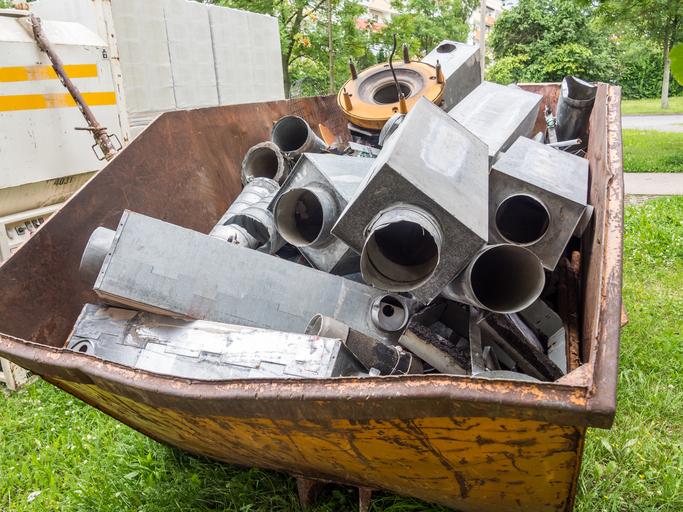
Commercial cleanouts are designed for larger and more complex projects. These services focus on clearing out materials from business facilities, construction sites, and industrial properties. Instead of simply hauling everything away, commercial cleanouts often involve sorting, recycling, and recovering valuable materials.

This may include removing items such as:

  • Scrap metal
  • Machinery and equipment
  • Construction materials
  • Electrical wiring and components
  • Structural metals

Companies like Klein Recycling specialize in large-scale recycling and material recovery as part of commercial and industrial projects. Klein Recycling provides recycling solutions for businesses, demolition contractors, and industrial facilities that need to remove and process metal materials safely and efficiently. 

Key Differences Between Commercial Cleanouts and Junk Removal

Although both services involve removing unwanted materials, their purpose and process are quite different.

Scope of the Project

Junk removal is usually meant for smaller jobs. It is common for homes or small offices. Commercial cleanouts handle larger and more complex environments. These may include warehouses, factories, office buildings, and construction sites.

Material Handling

Junk removal focuses on hauling items away. Recycling may happen in some cases, but it is not always the priority.

Commercial cleanout services often sort materials carefully. Valuable metals, wiring, and equipment can be recovered and recycled instead of being discarded.

Equipment and Logistics

Large-scale cleanouts require specialized equipment. Industrial recycling companies often use:

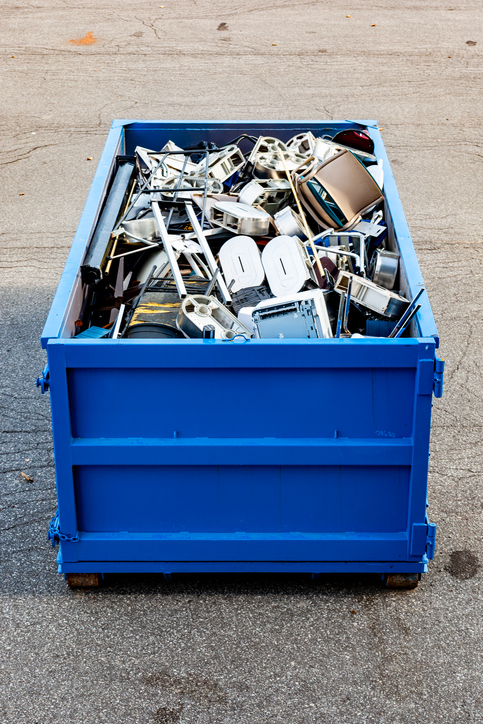
  • Roll-off containers
  • Trailers and trucks
  • Material sorting systems
  • Certified scales for weighing metal

These tools help manage large volumes of scrap and recyclable materials. 

Environmental Impact

Junk removal may send many materials to landfills.

Commercial recycling programs focus on diverting materials away from landfills whenever possible. Recovering metal and other recyclables reduces waste and supports sustainability efforts.

When Businesses Need Commercial Cleanouts

Commercial cleanout services are often needed in situations such as:

  • Industrial facility shutdowns
  • Office building renovations
  • Construction and demolition projects
  • Equipment upgrades or replacements
  • Warehouse cleanouts

During these projects, large amounts of metal and industrial materials may need to be removed. Recycling these materials can help businesses recover value while clearing space quickly.

Companies like Klein Recycling have decades of experience handling these types of projects. Founded in 1947, the company operates as a full-service metal recycling facility serving commercial and industrial customers across the tri-state region. 

Why Recycling Matters During Cleanouts

Many businesses do not realize how much value may be sitting in unused materials. Scrap metals such as copper, aluminum, and steel often retain significant value when recycled. A professional recycling company can help identify and process these materials properly. This approach can turn a costly cleanup into an opportunity to recover some value from unused equipment and scrap. It also helps businesses reduce their environmental footprint by keeping recyclable materials out of landfills.

Choosing the Right Service for Your Project

If your business only needs to remove a few unwanted items, junk removal may be enough. For larger projects involving construction materials, industrial equipment, or metal scrap, commercial cleanout services are usually the better option. These services provide the equipment, expertise, and recycling capabilities needed for complex projects.At Klein Recycling, we help businesses clear space efficiently while recycling valuable materials and supporting responsible waste management. For companies planning construction cleanouts, industrial cleanouts, or other large projects, working with an experienced recycling provider can make the process far more efficient.

Demolition Scrap Recycling: How Contractors Can Recover More Value

Why Demolition Scrap Recycling Matters for Contractors in New York and New Jersey

Demolition projects move fast. Tight schedules, heavy equipment, safety demands, and disposal logistics all compete for attention. In the middle of that pressure, scrap metal can easily be treated as an afterthought. Yet demolition scrap recycling is often one of the most overlooked profit opportunities on a job site.

For contractors working in New York and New Jersey, metal is not just debris. Steel beams, copper wiring, aluminum framing, stainless fixtures, and structural components all carry real market value. When handled correctly, that material can turn into recovered revenue instead of added disposal costs.

Klein Recycling works closely with contractors to make that process simple, efficient, and profitable.

Turning Construction Metal Recycling Into Revenue

Every demolition project produces metal. Commercial buildings, warehouses, medical facilities, schools, and retail spaces all contain valuable scrap. The key is separating and managing that material properly.

Construction metal recycling allows contractors to reduce landfill loads while improving their bottom line. Clean, sorted scrap commands stronger pricing. Organized pickups prevent delays. Accurate weights and transparent payouts help contractors track returns clearly.

Instead of paying to haul mixed debris to a landfill, contractors can redirect ferrous and non ferrous metals into the recycling stream. That shift often reduces overall disposal costs while generating direct scrap payments.

Over time, those returns add up, especially on large commercial projects.

What Materials Hold the Most Value?

Demolition contractors in NJ and New York often recover high value metals without realizing how much they are worth. Structural steel, copper pipe, insulated copper wire, aluminum storefront systems, brass fixtures, and stainless equipment can all produce meaningful returns.

Copper and aluminum tend to carry particularly strong market demand. Structural steel, while common, can still generate substantial volume based revenue on larger tear downs. Even smaller items such as conduit, metal framing studs, and HVAC components contribute to overall scrap value.

The difference between profit and lost opportunity usually comes down to organization. Clean separation and proper staging make pricing more favorable and processing faster.

How Demolition Contractors in NJ Can Maximize Scrap Value

Demolition contractors in NJ face strict regulations, limited space, and tight urban job sites. That makes planning essential. A clear scrap management strategy at the beginning of a project can significantly improve recovery rates.

Start by identifying high value metals during the pre demolition walkthrough. Plan staging areas for sorted materials. Coordinate container placement to avoid mixing scrap with general debris. Communicate expectations to crews so materials are handled correctly as structures come down.

Partnering with an experienced recycler also makes a measurable difference. Reliable container service, prompt pickups, and accurate grading all protect contractor margins. When timelines are tight, responsiveness matters just as much as pricing.

Supporting Large Commercial Demolition Projects

Commercial demolition produces large volumes of recyclable metal. Office towers, industrial plants, and multi unit complexes contain structural frameworks and mechanical systems that represent significant scrap potential.

Klein Recycling supports large scale projects with container services, coordinated pickups, and efficient processing that keeps job sites moving. The goal is simple. Reduce delays, streamline logistics, and help contractors recover maximum value from every load.

When demolition scrap recycling is treated as a planned part of the project instead of an afterthought, the financial impact becomes clear.

The Long Term Benefits of Construction Metal Recycling

Beyond immediate payouts, construction metal recycling strengthens a contractor’s competitive position. Many developers and property owners now prioritize sustainability reporting and waste diversion metrics. Demonstrating responsible recycling practices can support bids and strengthen relationships.

Recycling metal also reduces landfill use and supports domestic manufacturing supply chains. That environmental responsibility carries weight in today’s market, especially in the Northeast where regulations and client expectations continue to evolve.

For contractors who want to protect margins and build stronger client partnerships, scrap recovery should be part of the overall strategy.

Work With a Trusted Metal Recycling Partner in New York

Klein Recycling helps contractors across New York and New Jersey turn demolition scrap into measurable returns. With transparent pricing, responsive service, and decades of experience in metal recycling, Klein Recycling understands the pace and demands of commercial demolition work.

Demolition scrap recycling is not just about clearing a site. It is about recognizing value, planning ahead, and choosing the right partner to help maximize results.

For demolition contractors in NJ and New York, the opportunity is already on the job site. The key is knowing how to capture it.

What Are the Most Valuable Scrap Metals in New Jersey?

Scrap metal recycling is a smart way to turn unwanted materials into value. In New Jersey, many homeowners, contractors, and tradespeople search for the most valuable scrap metal before heading to a recycling yard. Knowing which metals are worth the most can help you recycle more efficiently and make informed decisions.

At Klein Recycling, we work with customers across New Jersey to recycle a wide range of metals. Understanding scrap metal values makes the process easier and more rewarding.

Why Scrap Metal Values Matter

Not all scrap metal has the same value. Some metals are in higher demand due to manufacturing needs, availability, and recycling efficiency. Scrap metal prices in NJ can change based on market conditions, but certain metals consistently rank among the most valuable. Sorting and identifying these materials ahead of time can help maximize returns and streamline recycling.

Copper Scrap Value Remains Strong

Copper is often considered the most valuable scrap metal for everyday recyclers. It is widely used in construction, electrical work, and plumbing, which keeps demand high. Copper wiring, pipes, tubing, and electrical components are common sources. Clean copper that is free of attachments typically holds higher value. Because copper scrap value remains strong, it is one of the most searched for and recycled metals in New Jersey.

Brass Is Another High-Value Metal

Brass is an alloy made primarily of copper and zinc. It is commonly found in plumbing fixtures, valves, fittings, and decorative hardware. Its durability and reuse potential keep brass in demand. Contractors and plumbers often collect brass scrap during renovation or replacement projects. When properly separated, brass can be one of the most valuable scrap metals brought to a recycling facility.

Aluminum Is Lightweight but Valuable

Aluminum may not be as valuable per pound as copper, but it adds up quickly due to how common it is. It is used in siding, window frames, gutters, appliances, and beverage cans. Clean aluminum with minimal contamination tends to hold better value. For contractors and trades, aluminum scrap can accumulate fast on job sites, making it worth recycling regularly.

Stainless Steel and Steel Scrap Add Consistent Value

Stainless steel contains valuable elements like chromium and nickel. It is often found in appliances, kitchen equipment, and industrial materials. Steel scrap, including structural steel, beams, and automotive parts, is widely recycled throughout New Jersey. While steel prices are generally lower than non-ferrous metals, the volume and ease of recycling make it an important material for both homeowners and businesses.

Scrap Metal Prices in New Jersey Can Vary

Scrap metal prices in New Jersey change based on supply, demand, and global markets. Seasonal construction activity and manufacturing trends can also influence value. Because prices fluctuate, working with a knowledgeable local recycler helps you stay informed. Klein Recycling provides guidance on identifying materials and understanding how different metals are classified.

Who Benefits Most from Recycling Valuable Scrap Metals

Scrap metal is a common byproduct of many home improvement and construction projects. Homeowners often come across metal during cleanouts, renovations, or appliance replacements, and identifying valuable metals can make these projects more worthwhile. Contractors and trades also benefit from recycling scrap metal generated during daily work. Regular recycling helps keep job sites clean while recovering value from leftover materials.

Recycling Valuable Scrap Metals the Right Way

Separating metals by type and keeping them as clean as possible can significantly improve their value. Taking a few extra minutes to remove non metal attachments, such as plastic or rubber, helps streamline the recycling process. Grouping similar materials together also saves time at the recycling yard and leads to more accurate pricing. At Klein Recycling, we work with New Jersey customers to make metal recycling efficient and straightforward.

Turn Scrap Metal into Opportunity

Understanding the most valuable scrap metal in New Jersey helps homeowners and professionals make smarter recycling choices. Metals like copper, brass, aluminum, and stainless steel continue to hold strong value. With guidance from Klein Recycling, scrap metal recycling becomes an easy way to reduce waste and recover value while supporting responsible practices across New Jersey.