How Recycling Scrap Metal Reduces Construction & Renovation Costs

Construction and renovation projects are full of moving parts. Material prices shift. Labor costs add up fast. Dumpster fees can surprise you at the end of a job. For general contractors and developers, every line item matters. That is one reason construction scrap recycling deserves more attention. Scrap metal is often treated like jobsite waste, but it can lower hauling costs, reduce disposal fees, and even return some money to the project. On large commercial jobs, those savings can be meaningful.

Scrap Metal Adds Cost When It Is Handled Like Trash

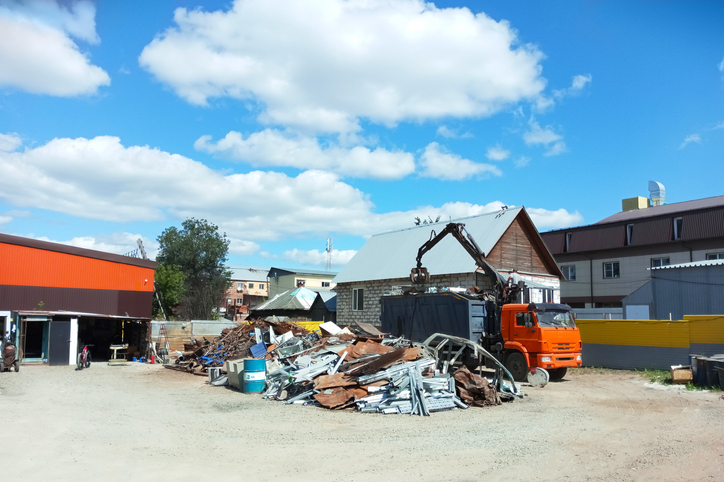
During demolition, tenant improvements, and new construction, metal shows up in a lot of places. Steel studs, copper wire, aluminum framing, piping, ductwork, rebar, and old mechanical equipment all have value. If those materials get mixed into general debris, the project usually pays more to remove them. Mixed loads are heavier. Heavier loads can mean higher transport and landfill charges. Crews may also spend more time sorting waste late in the job, which is not a great use of labor.

When contractors separate scrap metal early, they create a cleaner waste stream. That makes site cleanup more efficient and helps reduce demolition costs at the same time.

Construction Scrap Recycling Can Cut Disposal Fees

One of the clearest benefits of construction scrap recycling is fewer materials going into dumpsters meant for general waste. Metal is dense, so even a modest amount can push up disposal costs. Pulling it out changes the math.

This matters on:

  • Interior demolition projects
  • Building renovations
  • Warehouse tear-outs
  • Retail remodels
  • Industrial cleanouts
  • Ground-up construction with metal offcuts

Instead of paying to dump valuable metal, contractors can send it to a recycler. In many cases, that means a lower overall waste bill and a more organized jobsite.

Recycled Scrap Can Create Return Value

Not all project savings come from avoiding fees. Some metals have resale value, especially copper, aluminum, brass, stainless steel, and structural steel. The exact return depends on market conditions, material type, contamination, and volume, but the principle is simple. If metal is clean and sorted, it is worth more.

That is why many scrap metal contractors recommend a plan before demolition starts. Waiting until the end often leads to mixed material, lost value, and extra labor.

A simple recycling plan can include:

  • Identifying what metal will be generated
  • Setting separate containers for metal
  • Training crews on what goes where
  • Scheduling pickups to avoid pileups
  • Tracking weights and rebates

These steps are not complicated, but they can protect margin on projects where costs are already tight.

Better Site Flow Also Saves Money

There is another angle that does not always make it into the first conversation. Cleaner recycling practices can help jobs run smoother day to day.

Loose scrap metal creates clutter. Clutter slows crews down and can create safety issues. When metal is collected and removed in a structured way, sites are easier to manage. That can mean fewer interruptions and a better workflow for everyone on site. For GCs managing multiple trades, that kind of order matters. It helps keep the project moving and reduces the chance of avoidable cleanup delays.

Scrap Metal Contractors Help Streamline The Process

Working with experienced scrap metal contractors can make recycling easier for project teams. A good partner understands how construction sites operate. They know the difference between recyclable metal and material that needs special handling. They can also help contractors decide when on-site containers, scheduled pickups, or direct hauling make the most sense.

That support is useful for developers too. On larger projects, recycling records may help with internal reporting, sustainability goals, or bid requirements. Cost control is still the main driver for many teams, but better documentation is a real plus.

Why This Matters For Contractors And Developers

If your project includes demolition, renovation, or structural work, scrap metal should not be an afterthought. It is one of the few waste streams that can actively help the budget instead of hurting it. Using construction scrap recycling strategies can help reduce demolition costs, lower disposal expenses, and improve jobsite efficiency. For teams focused on keeping projects on budget, that is worth planning for early.

If you are reviewing an upcoming project, it may be helpful to look at the metal waste stream before the first dumpster arrives. Klein Recycling can help you evaluate your site and create a plan to uncover savings that are easy to miss during pre-construction.
Demolition Scrap Recycling: How Contractors Can Recover More Value

Why Demolition Scrap Recycling Matters for Contractors in New York and New Jersey

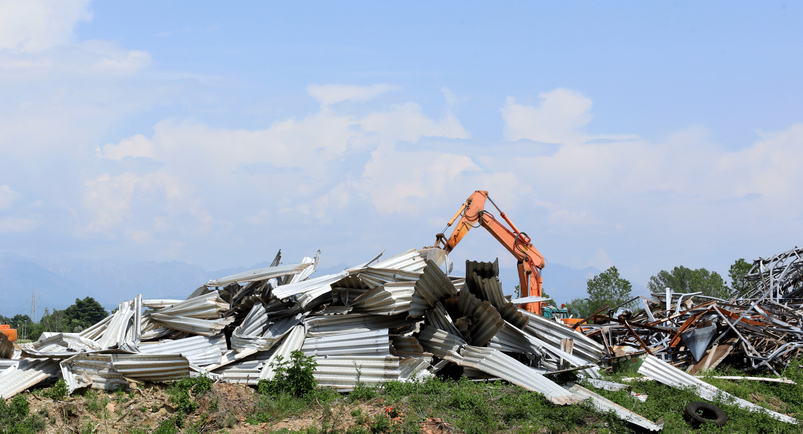
Demolition projects move fast. Tight schedules, heavy equipment, safety demands, and disposal logistics all compete for attention. In the middle of that pressure, scrap metal can easily be treated as an afterthought. Yet demolition scrap recycling is often one of the most overlooked profit opportunities on a job site.

For contractors working in New York and New Jersey, metal is not just debris. Steel beams, copper wiring, aluminum framing, stainless fixtures, and structural components all carry real market value. When handled correctly, that material can turn into recovered revenue instead of added disposal costs.

Klein Recycling works closely with contractors to make that process simple, efficient, and profitable.

Turning Construction Metal Recycling Into Revenue

Every demolition project produces metal. Commercial buildings, warehouses, medical facilities, schools, and retail spaces all contain valuable scrap. The key is separating and managing that material properly.

Construction metal recycling allows contractors to reduce landfill loads while improving their bottom line. Clean, sorted scrap commands stronger pricing. Organized pickups prevent delays. Accurate weights and transparent payouts help contractors track returns clearly.

Instead of paying to haul mixed debris to a landfill, contractors can redirect ferrous and non ferrous metals into the recycling stream. That shift often reduces overall disposal costs while generating direct scrap payments.

Over time, those returns add up, especially on large commercial projects.

What Materials Hold the Most Value?

Demolition contractors in NJ and New York often recover high value metals without realizing how much they are worth. Structural steel, copper pipe, insulated copper wire, aluminum storefront systems, brass fixtures, and stainless equipment can all produce meaningful returns.

Copper and aluminum tend to carry particularly strong market demand. Structural steel, while common, can still generate substantial volume based revenue on larger tear downs. Even smaller items such as conduit, metal framing studs, and HVAC components contribute to overall scrap value.

The difference between profit and lost opportunity usually comes down to organization. Clean separation and proper staging make pricing more favorable and processing faster.

How Demolition Contractors in NJ Can Maximize Scrap Value

Demolition contractors in NJ face strict regulations, limited space, and tight urban job sites. That makes planning essential. A clear scrap management strategy at the beginning of a project can significantly improve recovery rates.

Start by identifying high value metals during the pre demolition walkthrough. Plan staging areas for sorted materials. Coordinate container placement to avoid mixing scrap with general debris. Communicate expectations to crews so materials are handled correctly as structures come down.

Partnering with an experienced recycler also makes a measurable difference. Reliable container service, prompt pickups, and accurate grading all protect contractor margins. When timelines are tight, responsiveness matters just as much as pricing.

Supporting Large Commercial Demolition Projects

Commercial demolition produces large volumes of recyclable metal. Office towers, industrial plants, and multi unit complexes contain structural frameworks and mechanical systems that represent significant scrap potential.

Klein Recycling supports large scale projects with container services, coordinated pickups, and efficient processing that keeps job sites moving. The goal is simple. Reduce delays, streamline logistics, and help contractors recover maximum value from every load.

When demolition scrap recycling is treated as a planned part of the project instead of an afterthought, the financial impact becomes clear.

The Long Term Benefits of Construction Metal Recycling

Beyond immediate payouts, construction metal recycling strengthens a contractor’s competitive position. Many developers and property owners now prioritize sustainability reporting and waste diversion metrics. Demonstrating responsible recycling practices can support bids and strengthen relationships.

Recycling metal also reduces landfill use and supports domestic manufacturing supply chains. That environmental responsibility carries weight in today’s market, especially in the Northeast where regulations and client expectations continue to evolve.

For contractors who want to protect margins and build stronger client partnerships, scrap recovery should be part of the overall strategy.

Work With a Trusted Metal Recycling Partner in New York

Klein Recycling helps contractors across New York and New Jersey turn demolition scrap into measurable returns. With transparent pricing, responsive service, and decades of experience in metal recycling, Klein Recycling understands the pace and demands of commercial demolition work.

Demolition scrap recycling is not just about clearing a site. It is about recognizing value, planning ahead, and choosing the right partner to help maximize results.

For demolition contractors in NJ and New York, the opportunity is already on the job site. The key is knowing how to capture it.